Choose Ready-Made AI
When standard tools meet your needs
- The task is common, like drafting emails or summarising documents.
- Your existing systems already work with the tool.
- You want to test an idea before investing in custom development.


We design and build AI and machine learning systems that help your business make better decisions, automate complex tasks, and put data to practical use.
AI and Machine Learning at Dignifyd Tech
A model that works in a demo can still fail on real business data. Poor data quality, disconnected systems, and unclear use cases can stop projects before they reach your team. We start by defining the use case, checking your data, and mapping the systems the AI must connect with, so the finished system fits into your team's actual work.
Signs Your Business Could Use AI and Machine Learning
Your team repeats the same manual tasks every day.
Staff spend hours searching documents and records for answers.
Forecasts are slow to produce and often wrong.
An AI pilot never made it into daily operations.
We plan, build, and integrate AI and machine learning systems using your business data. Whether you're exploring your first AI project or improving an existing one, our engineers work alongside your team so what we build gets used after launch.

We review your operations and data to identify where AI can make a difference and where it won't. You get a prioritized list of use cases, the data each requires, and a realistic estimate of cost.
Start here if you know AI could help your business but aren't sure where to begin, or if you have more ideas than your budget can support.
Choosing an AI approach
Most businesses end up using both. Ready-made tools handle common tasks quickly, while custom AI takes over when the work depends on your own data, business rules, and systems.
When standard tools meet your needs
When standard tools fall short
Dignifyd Tech's team recommends the right mix during planning, based on your data, the systems AI needs to connect with, and your budget. If a ready-made tool is enough, we'll say so.
We choose tools that fit your data, systems, and budget, not the other way around. The right technology stack depends on the problem, so we select it during planning rather than deciding in advance.
Libraries for training and testing custom models on your own data. Used for forecasting, classification, and anomaly detection.
We review your operations, data, and systems, then rank use cases by impact, effort, and data requirements. You leave with a clear starting point and a defined scope for the project.
We check what data you have, where it sits, and how reliable it is. We then clean and connect the data so models can work with accurate records. If your data isn't ready, we address that before development begins.
We build models and AI applications using your data, within the scope agreed during the assessment. We test each version against agreed performance measures and share the results as development progresses.
We test against real cases and historical results, including difficult scenarios. We share accuracy and performance figures with you before anything goes live.
We connect the AI application with the software and databases your team already uses. We first release it to a small group of users, gather feedback, and address any issues before wider deployment.
After launch, we track accuracy, speed, and running costs. When your data or requirements change, we review and update the model.
We agree on scope, deliverables, timeline, and cost before work begins. Best for projects with clearly defined goals, such as a forecasting model or a document search tool. You know what you will get and when.
Add AI and machine learning engineers to your team when you need extra skills or capacity. They work within your processes and tools, while you stay in control of priorities and decisions.
A dedicated team for larger AI programs, ongoing model improvement, and post-launch support. The team works alongside yours and follows your priorities as your AI use grows, so you work with one team instead of several.
A short review of your operations, data, and systems. You get a ranked list of use cases, the data each needs, and a realistic estimate of cost and effort, so you can decide what to build and what to skip.
A short project, usually a few weeks, that tests one idea on your own data before you commit to a full build. You see real results with accuracy figures, and decide whether to go further.
Our Latest Articles
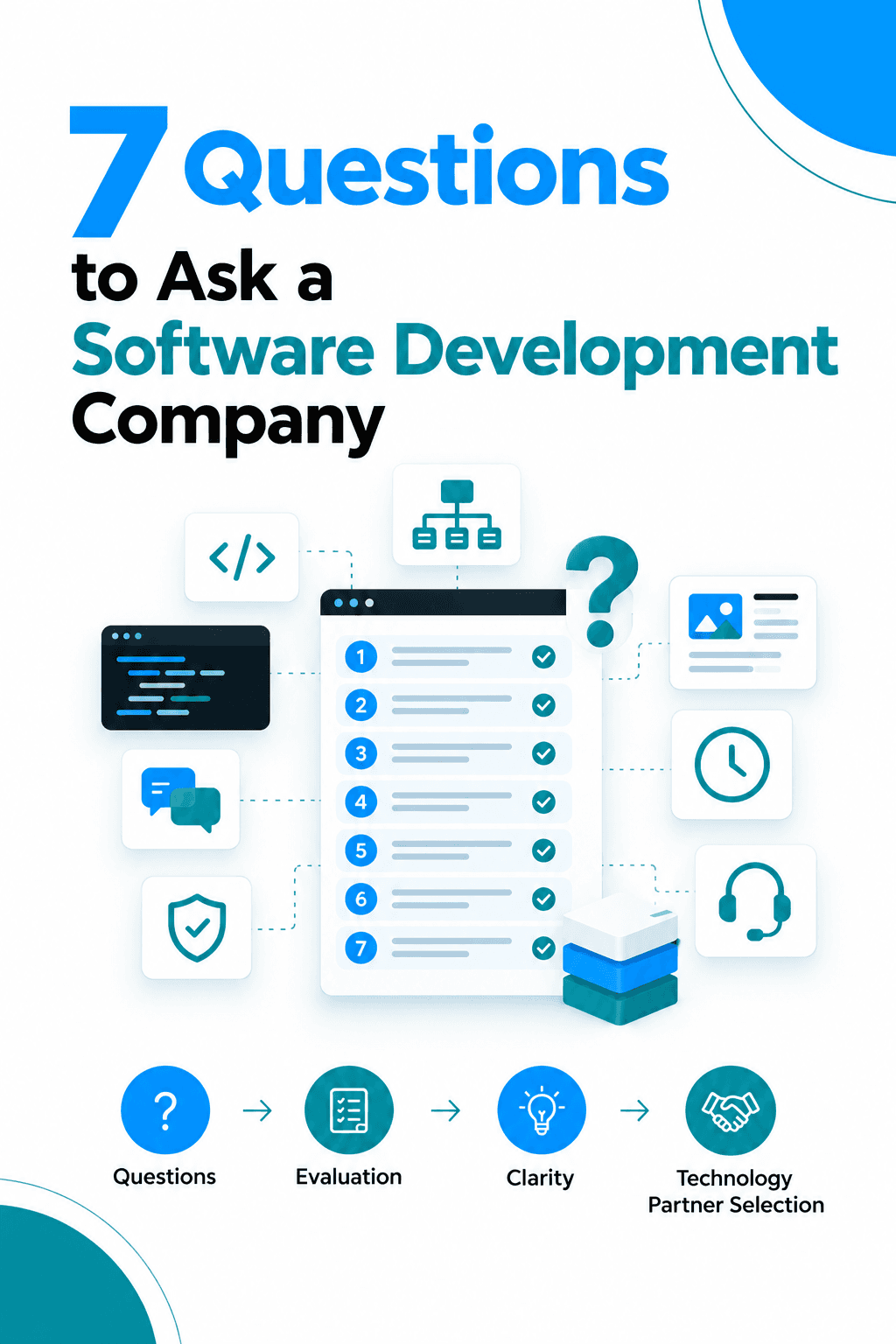
The right questions help you see past the sales pitch, and these seven will help you choose a team that builds, manages,...
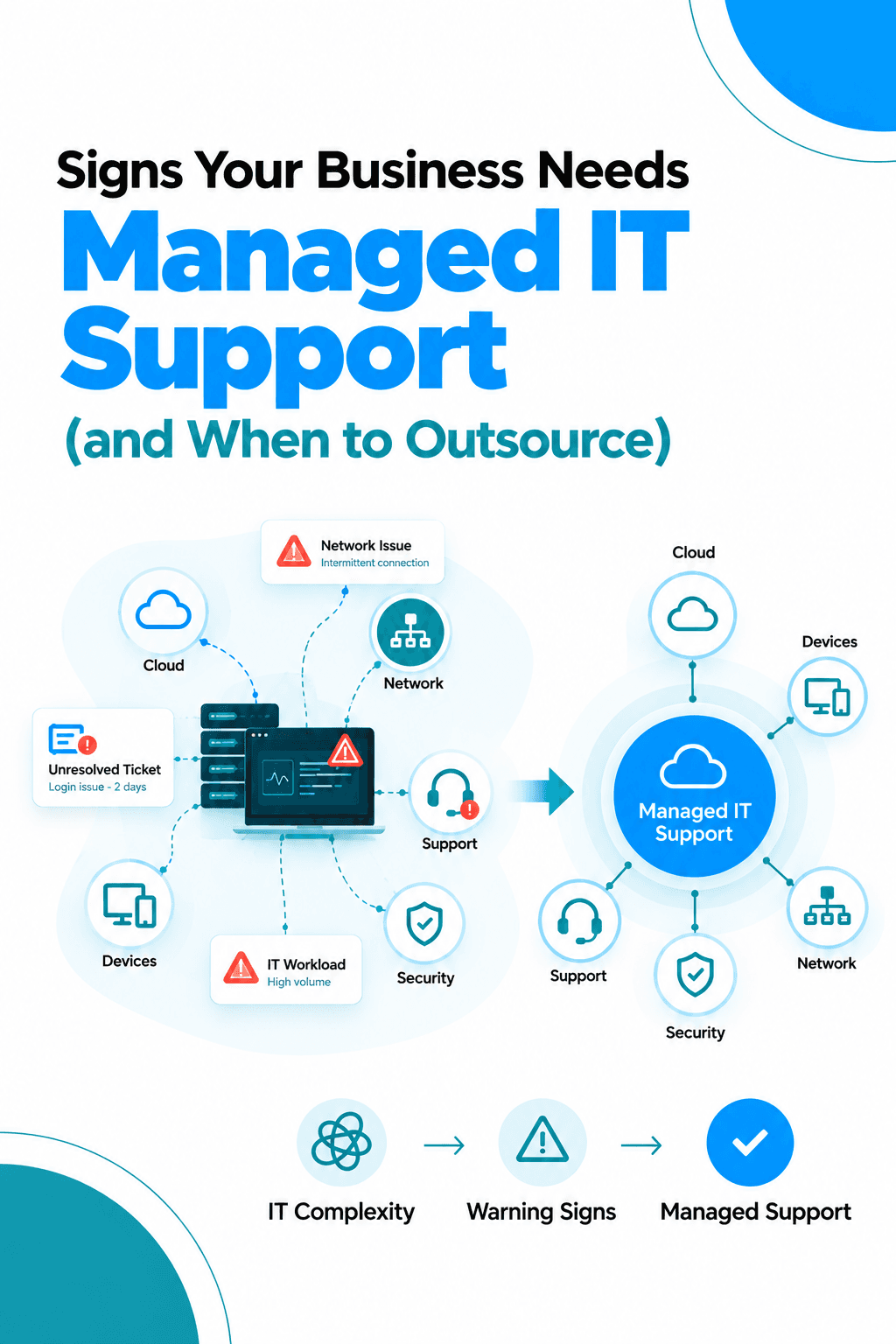
The clearest signs your business needs managed IT support are recurring downtime, IT work landing on people who have oth...
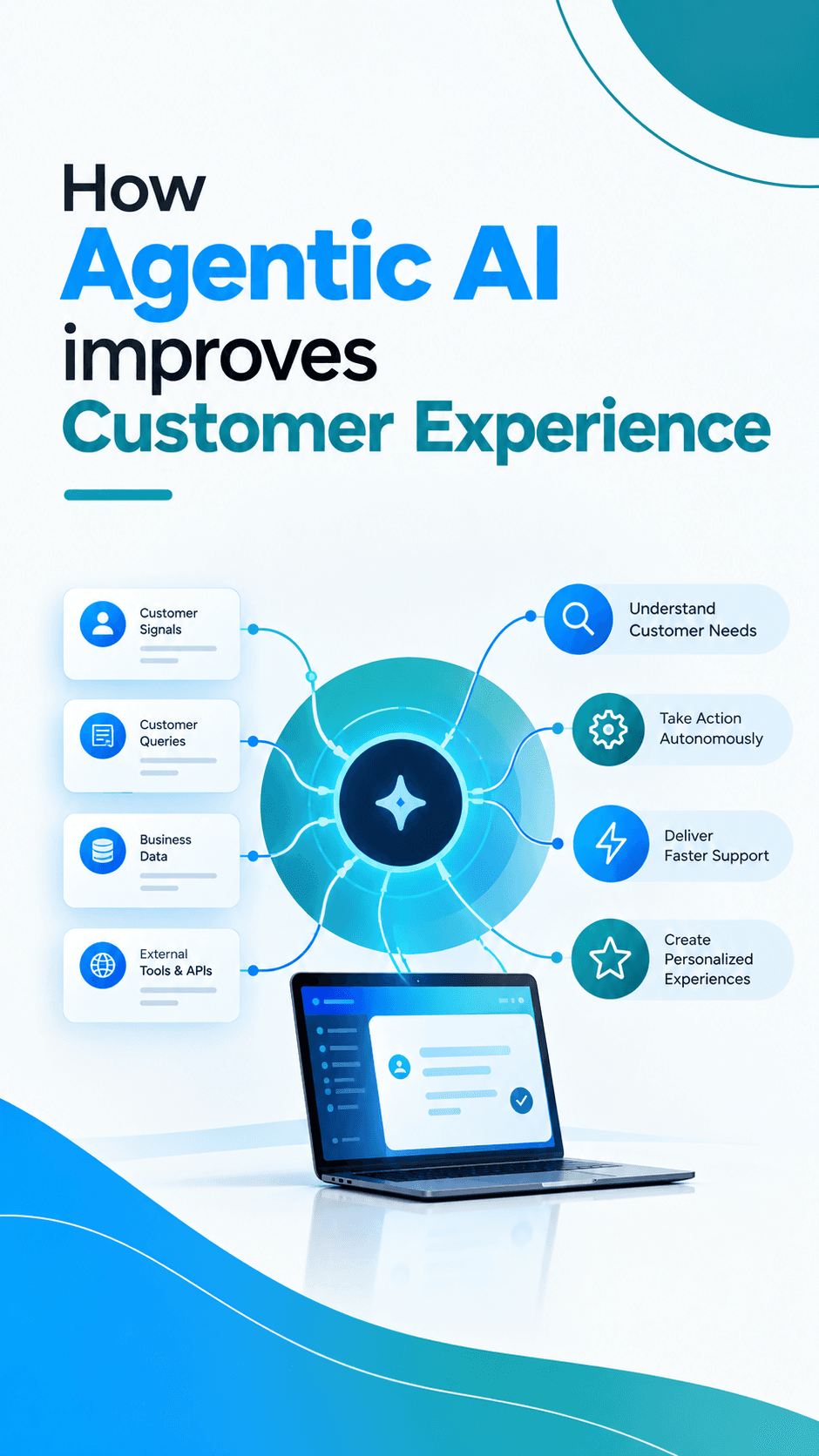
Customers no longer contact support just to get an answer. They want their issues resolved, whether that’s a delayed ord...
Let's discuss your data, your systems, and where AI and machine learning can make a practical difference.
It depends on what you want AI to do, how ready your data is, and how many systems it has to connect to. A simple integration costs far less than a system that runs across your operations. After the assessment, we give you an estimate for your specific project. A proof of concept lets you test one idea before you commit to a full build.
A proof of concept usually takes a few weeks. A production system that connects to your existing software and has been tested usually takes a few months. Data readiness is the biggest variable: if your records are scattered or incomplete, preparing them can take longer than building the model. We confirm a timeline after the assessment, once we have seen your data.
It depends on the task. Tools that answer questions using your documents or draft content need good, current documents, not a large dataset. Custom models for forecasting or classification need historical records, and the more consistent they are, the better. If your data isn't ready, we address that first.
AI systems are not accurate in every situation, so we test their performance rather than assume they will work. We test each model against real cases and past results, including difficult ones, and share the figures with you before anything goes live. After launch, we keep tracking accuracy, and where a decision matters, a person reviews the result before it is final.
Your data stays yours, and we do not use it to train models for other clients. Before work starts, we agree who can access your data, where it is stored, and who owns the models and code built for you, and we put it in the contract.
We measure before we build. During the assessment, we record how the process performs today, such as hours spent, error rates, or cost per task, and agree on one result that defines success. After launch, we compare the results against that baseline to assess the value the system delivers.